info@cngoldensea.com
+(86)15122654356
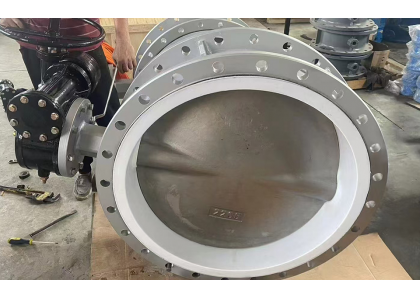
The selection of material for a butterfly valve mainly depends on its operating environment and the characteristics of the medium. The following is a detailed analysis of the material selection for the main components of a butterfly valve (valve body, valve plate, valve seat):
1. Valve body material
Cast iron: including gray cast iron (CI) and ductile cast iron (DI). Gray cast iron butterfly valves are the most common type and are mainly used in water systems, but they are prone to rusting and have a relatively short service life, with a low price. Ductile cast iron butterfly valves have performance comparable to carbon steel and are generally used in water system pipes, which is currently a very widely used material in water systems.
Cast steel (WCB): Cast steel butterfly valves have high strength and corrosion resistance, suitable for medium pressure and corrosive media.
Stainless steel: Stainless steel butterfly valves have excellent corrosion resistance and rust prevention properties, suitable for pipelines that require anti-corrosion and rust prevention. Common stainless steel materials include 304, 316, 304L, 316L, etc. Among them, 316 stainless steel butterfly valves have better corrosion resistance to chloride ions and seawater.
Aluminum alloy (ADC12): Aluminum alloy butterfly valves have the characteristics of light weight, high strength, and strong oxidation resistance, suitable for some special occasions such as low temperature, high temperature, and high pressure. At the same time, aluminum alloy butterfly valves are also called anti-condensation valves, and are generally used in lighter PVC pipes, with the anti-condensation feature reflected in the application of air conditioning water systems.
Plastic: Plastic butterfly valves have the characteristics of light weight, easy installation, low resistance, and low price, suitable for some highly corrosive media. Common plastic materials include UPVC, PP, CPVC, etc. Among them, UPVC is resistant to weak acids and weak alkalis, has high impact strength, low fluid resistance, and light texture; PP is resistant to hydrochloric acid and sulfuric acid; CPVC is resistant to heat, acid, alkali, salt, and oxidizing agents, etc. However, the pressure resistance of plastic butterfly valves is limited, generally with a pressure resistance of about 6KG, and for pressures above 10KG, it is recommended to use aluminum alloy instead.
2. Valve plate material
The valve plate is the component that directly contacts the medium inside the pipeline, so the selection of its material is also crucial. Common valve plate materials include nylon plate, cast steel, stainless steel (304, 316, 304L, 316L), ball iron electroplated (electroplated plate), UPVC, CPVC, PP, aluminum bronze (often used in seawater desalination), bidirectional steel, etc.
3. Valve seat material
The valve seat is one of the key components of a butterfly valve, and the selection of its material directly affects the sealing performance and service life of the valve. Common valve seat materials include:
EPDM: black, soft seal, temperature range -15135℃. It has the ability to resist oxidation, ozone, and erosion, but it is prone to aging when exposed to oil. Suitable for media of -20120℃ water, steam, etc.
NBR: has excellent oil resistance, its oil resistance is second only to polysulfide rubber and fluororubber, and it has wear resistance and airtightness. Suitable for media of 0~80℃ oil-based.
PTFE: white, soft seal, temperature range -15~185℃. It has the characteristics of heat resistance, wear resistance, corrosion resistance, and non-adhesiveness. Suitable for corrosive media below 200℃.
VITON: black, soft seal, temperature range -15~200℃. It has excellent chemical stability, excellent high-temperature resistance (similar to silicone rubber and fluororubber), and good aging resistance. Suitable for rubber machinery, high-temperature particle media, etc.
Silicone rubber: does not react with any substance except strong alkali and hydrogen fluoride, is non-toxic and odorless, and has stable chemical properties. Mostly used in the food and hygiene industry.
Goldensea is one of the Global leading water valve suppliers and ductile iron butterfly valve manufacturers, which was established in the year 1991. The main products are butterfly valves...[ read more ]


