info@cngoldensea.com
+(86)15122654356
1. Valves for oil refining plants
1) In oil refining plants, the valves mostly used are pipeline valves, mainly including gate valves, globe valves, check valves, safety valves, ball valves, butterfly valves, steam traps, etc. Among them, gate valves account for about 80% of the total number of valves.
2) In chemical fiber plants, the main types of valves needed are ball valves, jacket valves (jacket ball valves, jacket gate valves, jacket globe valves).
3) In propylene cyanide plants. This plant generally requires standard-sized valves, mainly including gate valves, globe valves, check valves, ball valves, steam traps, needle-type globe valves, stop valves, etc. Among them, gate valves account for about 75% of the total number of valves.
4) In synthetic ammonia plants. Due to the different raw materials and purification methods of synthetic ammonia, the process flow is different, and the technical performance of the required valves is also different. Mainly needed are gate valves, globe valves, check valves, steam traps, butterfly valves, ball valves, diaphragm valves, regulating valves, needle-type valves, safety valves, high and low temperature valves.
2. Valves for hydropower stations need large-diameter and high-pressure safety valves, pressure reducing valves, globe valves, gate valves, butterfly valves, emergency shut-off valves and flow control valves, spherical-sealed instrument globe valves.
3. Valves for metallurgy. In the metallurgy industry, mainly need wear-resistant slurry valves (flow-type globe valves) and regulating steam traps. In the steelmaking industry, mainly need metal-sealed ball valves, butterfly valves and oxidation ball valves, globe valves and four-way reversing valves.
4. Valves for marine applications. Marine platforms need shut-off valves, check valves, multi-way valves.
5. Valves for food and medicine applications. In this industry, mainly need stainless steel ball valves, non-toxic plastic ball valves and butterfly valves. Among the 10 major types of valves, the demand for general valves is the highest, such as instrument valves, needle-type valves, needle-type globe valves, gate valves, globe valves, check valves, ball valves, butterfly valves, accounting for the majority.
6. Valves for rural and urban construction. Urban construction generally uses low-pressure valves. It is currently developing towards environmentally friendly and energy-saving directions. Environmental-friendly rubber plate valves, balance valves and centerline butterfly valves, metal-sealed butterfly valves are gradually replacing low-pressure iron gate valves. In urban construction, valves used are mainly balance valves, soft-sealed gate valves, butterfly valves and others.
7. Valves for rural and urban heating. In urban heating systems, a large number of metal-sealed butterfly valves, horizontal balance valves and buried-type ball valves are needed. Because these valves solve the problem of longitudinal and transverse hydraulic imbalance of pipelines and achieve the purpose of energy saving and heat balance.
8. Valves for environmental protection. In domestic environmental protection systems, the water supply system mainly needs centerline butterfly valves, soft-sealed gate valves, ball valves, exhaust valves (used to remove air from the pipeline). The sewage treatment system mainly needs soft-sealed gate valves and butterfly valves.
9. Valves for gas use. Urban gas accounts for 22% of the entire natural gas market. The valve usage is large and the types are also diverse. Mainly need ball valves, stop valves, pressure reducing valves, safety valves.
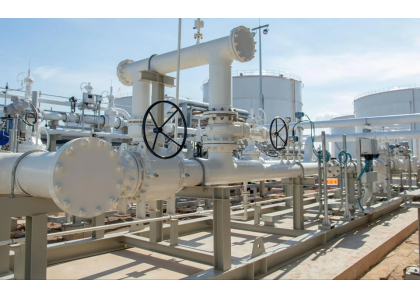
10. Valves for pipeline applications. Long-distance pipelines mainly include crude oil, refined oil and natural gas pipelines. The valves with the largest demand in this type of pipeline are forged steel three-body full-diameter ball valves, anti-sulfur plate gate valves, safety valves, check valves.
Goldensea is one of the Global leading water valve suppliers and ductile iron butterfly valve manufacturers, which was established in the year 1991. The main products are butterfly valves...[ read more ]


